Image by rawpixel
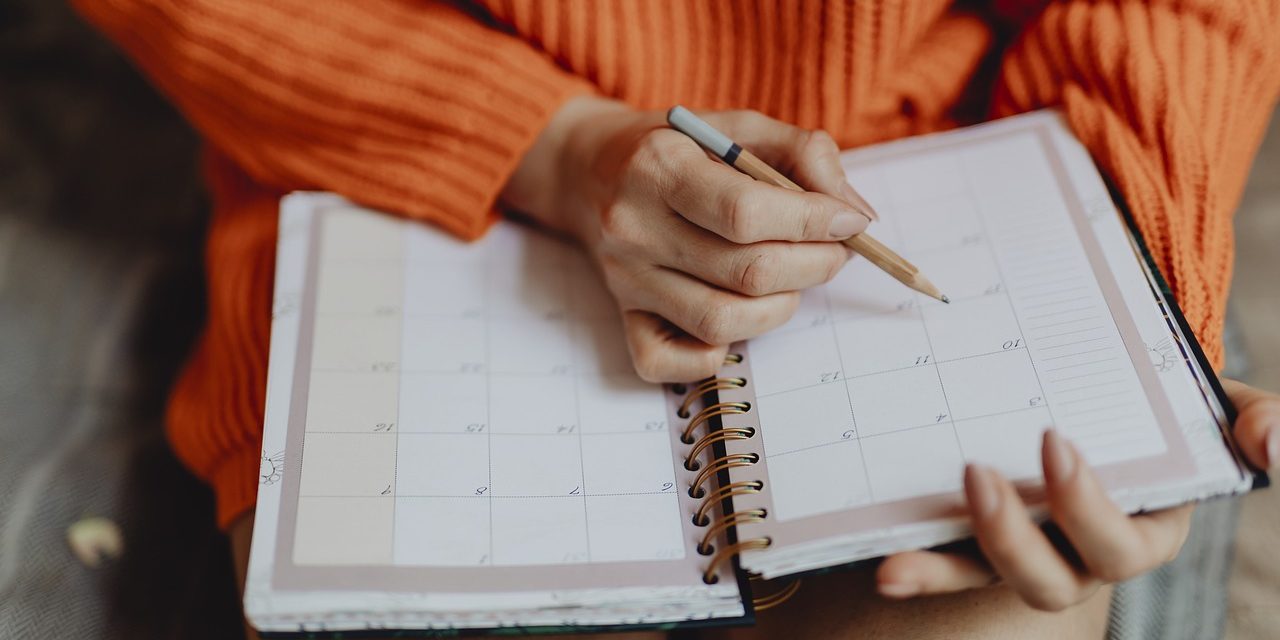
As every entrepreneur knows, profits usually result from effective planning and execution. Luck can play a role, too.
You have to make your luck possible. Whether you want to win a windfall or avoid a disaster in planning events, preparedness is paramount.
So, to help insure you stage a successful event, it helps to pay attention to a famous quote.
Louis Pasteur, the 19th century chemist and microbiologist, astutely wrote:
“Chance favors only the prepared mind.”
This is important to remember to make sure there are no issues that can turn your event into a disaster — you want to be certain your objectives are achieved, no one is hurt and nothing is damaged.
In planning major events, you should consider taking 25 precautions
Checklist:
- Think communication. Make signage clear to all attendees. Digital signage may save you money and you will be able to have the appropriate images ready to go if there is an emergency.
- Create an emergency preparedness plan with a contingency checklist for your site visits and planning process.
- Make sure your staff has radios and consider separate channels for security and emergency medical services.
- Always check venue exit plans usually located around the venue and in your sleeping rooms.
- Instruct your attendees to do the same. It is too late when a crisis strikes. Most people will exit from the door they enter from.
- During your housekeeping announcements, consider having a slide of a meeting-room exit plan.
- Know where all the fire exit doors are and confirm they are open, unlocked and clear of obstruction. For double doors, check both.
- Know where fire extinguishers and fire pull alarms are. Check to see if the fire extinguishers are charged.
- Have AEDs (automated external defibrillators) or know where they are and how to get one from the venue. Consider having a few staff members trained in using them. Check the web for classes.
- Check aisles for obstructions such as cables, signs and computer bags.
- Made sure all wires are taped down securely on the stage and floors, especially if cables need to cross a doorway.
- Check all flooring for pits and fissures that can catch a high heel or other types of shoes.
- Make sure the stage has no gaps and that stairs are securely attached to the stage, and mark the stairs with a bright tape on the edges. Also mark the stairs location on the stage with tape so someone exiting off the stage can find the stairs easily.
- If you have people entering the stage from behind, make sure your production company has an assistant stage manager helping people on and off the stage.
- Consider hiring a company that provides emergency medical services.
- If you are having dignitaries or rock stars, you should coordinate with the local police agency.
- Think about lighting especially for outdoor events after dark.
- Look for obvious and not so obvious issues. We did an event at a private residence on their tennis court. There was a narrow path down a hill which every guest had to walk down and backup. I noticed puddles of water with alga. Not only was the event coordinator not aware of the potential safety hazard, she did not even care about it when I pointed it out. They also did not think about lighting on this path when 200 guests would have to ascend it to get their cars.
- Make sure all decor items, linens and draping are fire-proof or have retardant. If you are renting the materials, make sure their certificates are current.
- In a post 9/11 world, mass gatherings have become highly desirable terrorist targets according to the police. Collaborate with law enforcement, especially if the media will be present.
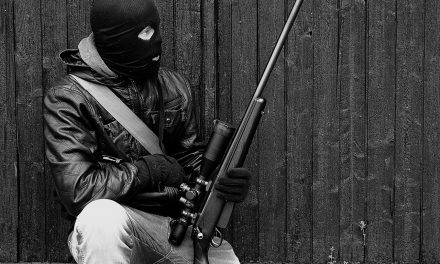
- Law enforcement is very concerned about a random shooter or a pedestrian with a homemade explosive device. Have a plan and training for event personnel to look for suspicious packages and to whom they should report them.
- Identify staff members who are trained in first aid and CPR. Know how to get in communication with them quickly.
- Most venues have emergency lighting, but you might want to have flashlights onhand and you might want to recommend to your guests to bring a flashlight to keep by their bedside.
- Self-evacuation usually does not work. Assign team members or hired staff to direct the attendees with predefined gathering areas. Check with the venue or the fire marshal where these gathering areas should be.
- You may want to prepare written instructions telling your attendees where to go if a disaster occurs. Write these up and give it to your announcer or VOG so the audience can be instructed where to go and remain calm. (VOG, is an acronym for “voice of God,” and is used by event pros in referring to an unseen event announcer.)
From the Coach’s Corner, editor’s picks for relevant topics:
Stage a Great Business Event with This Checklist of Tips – The details can be overwhelming in staging a major business event. You might want to hire a firm to help you. If not, you can do it yourself.
You Can’t Prevent an Earthquake, but You Should Prepare for It – Not much good results from a major earthquake. Major earthquakes can ignite fires and gas explosions, damage buildings and kill thousands of people. For earthquake preparedness, here are six basic recommended steps.
Tips for Filing an Insurance Claim if You’re Hit by a Disaster — Whether you suffer from a disaster, such as an earthquake or fire, here are 14 tips to remember in filing your insurance claim for a casualty loss.
Best-Practices in Protecting Your Supply Chain from Natural Disasters — As a manufacturer, you know the importance of protecting your supply chain for your company’s future. So you might be interested in an academic study — lessons from the earthquake that resulted in a tsunamis and nuclear catastrophe in Japan.
Protect Your Financials, Systems and Technology – 15 Tips — Cybercrime has skyrocketed and is projected to get much worse. At risk is the health of your company as well as the welfare of anyone with whom you do business. Here’s how to protect your customers and your reputation.
Planning without action is futile, action without planning is fatal
__________